
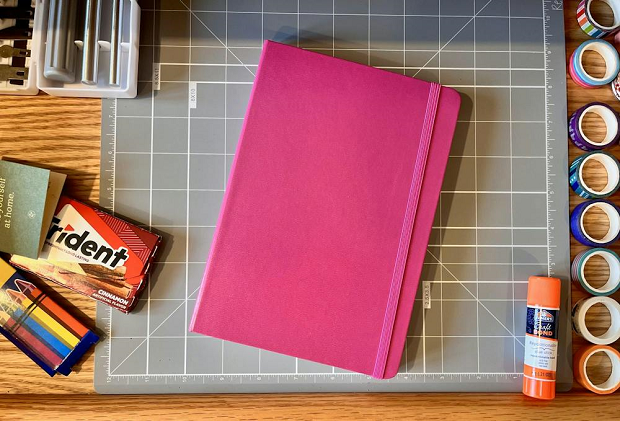
Junk journaling is a creative hobby that combines collage, writing, paper crafting, and collecting everyday materials. Instead of filling a notebook exclusively with written entries, participants create pages using receipts, photographs, tickets, packaging, magazine cutouts, and fabric scraps. The result is a journal that documents experiences through images, textures, and objects. Interest in this activity has become increasingly visible on social media, where creators share page designs, material collections, and the process of assembling journals.
Junk journaling also reflects changing approaches to leisure in digital environments. Online platforms provide entertainment ranging from creative tutorials to interactive games. Someone exploring digital activities might encounter this website, which features a chance-based casino game involving financial risks. Junk journaling offers a different experience because participants control the process and create physical objects through personal decisions. The contrast helps explain why some people seek screen-free activities after spending much of their day online.
What Exactly Is Junk Journaling?
Junk journaling involves creating notebooks from reused paper, decorative materials, and objects associated with everyday experiences.
The word junk refers to materials that might otherwise be discarded, including envelopes, labels, packaging, and newspaper fragments.
Pages can contain handwritten notes, photographs, drawings, pockets, and folded inserts.
Unlike conventional diaries, junk journals do not require chronological organization.
Some participants document memories, while others develop books around themes such as travel, nature, literature, or particular color combinations.
This flexibility allows people to approach journaling as both personal documentation and visual art.
How Junk Journaling Differs From Traditional Diaries
Traditional diaries primarily rely on written entries to record thoughts, events, and experiences.
Junk journals communicate information through combinations of text, images, and physical materials.
For example, a diary entry about a concert might describe the performance and personal impressions.
A junk journal could preserve the ticket, photographs, handwritten notes, and printed fragments associated with the event.
The two approaches serve overlapping purposes but involve different creative processes.
Junk journaling places greater emphasis on composition, material selection, and page construction.
Why Social Media Has Increased Its Visibility
Short videos are particularly suitable for demonstrating junk journaling techniques.
Creators can show how discarded materials become decorative pages through cutting, layering, folding, and gluing.
The transformation is easy to communicate visually, even without lengthy explanations.
Online communities also provide tutorials, design ideas, and opportunities to exchange materials.
However, social media popularity does not necessarily indicate that most people practice the hobby.
Algorithms may repeatedly recommend similar videos, making an activity appear more widespread than available participation data supports.
The Appeal of Creating Something Physical
Many adults work, study, and communicate primarily through digital devices.
Junk journaling introduces an activity involving paper, scissors, glue, and manual arrangement.
Participants can observe progress as pages develop and the journal gradually becomes a completed object.
The physical format also provides opportunities to preserve materials that carry personal meaning.
Unlike digital collections, handmade journals contain differences in texture, thickness, and construction.
For some people, these characteristics make the finished object more meaningful than a standardized notebook.
Recycled Materials and Creative Experimentation
Reusing materials is one of the defining features of junk journaling.
Receipts, packaging, old calendars, envelopes, and magazines can become components of page designs.
This reduces the need to purchase decorative supplies for every project.
However, reuse does not automatically make the hobby environmentally sustainable.
Additional adhesives, plastic decorations, and frequent purchases may increase material consumption.
Beginners can focus on available paper and limit unnecessary supplies.
This approach encourages experimentation while keeping costs manageable.
Popular Junk Journaling Techniques
Collage is a central technique because it involves combining different visual elements into one composition.
Layering paper creates depth, while folded inserts provide space for notes or photographs.
Pockets and envelopes allow participants to store tickets, postcards, and other objects.
Some creators use stamping, hand lettering, stitching, or paper distressing to modify surfaces.
These techniques can be combined according to personal preferences.
Beginners benefit from learning a few methods before attempting pages with numerous components.
Why the Hobby Appeals to Younger Generations
Younger participants may discover junk journaling through videos showing notebook decoration and memory preservation.
The activity allows them to document everyday experiences without producing long written narratives.
It also offers an alternative to storing every photograph and memory on a smartphone.
Some people enjoy organizing physical objects connected to travel, friendships, concerts, or personal milestones.
Others use journals primarily for creative experimentation.
The hobby’s flexibility makes it accessible to participants with different interests and artistic abilities.
Can Junk Journaling Help With Relaxation?
Junk journaling requires attention to immediate tasks such as selecting materials, arranging images, and attaching paper.
These activities may provide a break from work responsibilities and digital notifications.
The absence of strict rules can also encourage experimentation without performance expectations.
However, relaxation depends on individual preferences.
People who focus excessively on producing perfect pages may experience frustration.
Treating the journal as a personal project rather than a product designed for online approval can help preserve enjoyment.
Equipment and Materials for Beginners
Starting junk journaling requires relatively little equipment.
A notebook, scissors, adhesive, and collected paper provide enough materials for introductory projects.
Additional supplies may include thread, stamps, fabric scraps, and decorative tape.
Participants interested in constructing their own books can later explore binding methods.
Before purchasing materials, beginners should consider the journal’s intended purpose.
A memory journal may require space for photographs, while an artistic journal might emphasize collage and texture.
How to Start Your First Junk Journal
Begin by selecting a theme or purpose.
Possible projects include documenting a vacation, recording monthly experiences, or creating pages inspired by nature.
Collect suitable materials and organize them before attaching anything permanently.
Experiment with layouts by moving elements around the page.
Short notes can explain the significance of photographs or collected objects.
There is no need to complete every page in one session.
Allowing the journal to develop gradually makes the activity easier to maintain.
Why Junk Journaling Continues to Attract Attention
Junk journaling combines memory preservation, paper crafting, and visual storytelling within a format that allows personal interpretation.
Its visibility on social media reflects the appeal of watching ordinary materials become handmade objects.
However, the hobby’s lasting value depends on the experience of creating pages rather than receiving online recognition.
Participants can develop practical skills, experiment with composition, and preserve meaningful experiences.
For people seeking an accessible creative activity, junk journaling offers a way to transform everyday paper into a record of personal interests, memories, and artistic decisions.