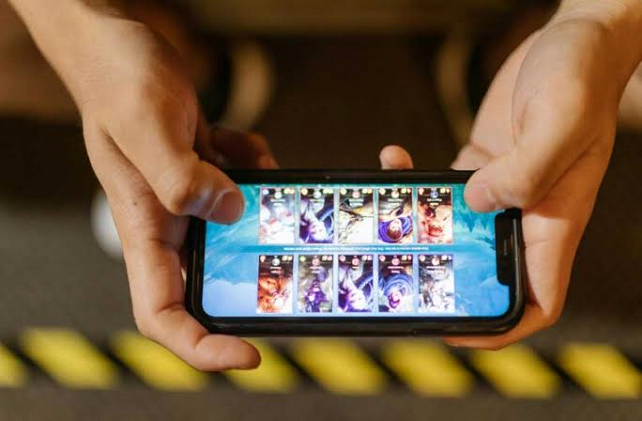
A short thought can stay useful because it says one plain thing at the right time. Stop before anger speaks. Leave before pride grows. Pause before one more step becomes too much. The same idea can appear in small digital habits, even in entertainment. Even a fast format such as jetx game online can fit this idea when it is treated as a short activity that needs attention, limits, and a clear point to stop. The screen may move quickly, but the person still has to decide how much space it should take.
Many people think control means starting with confidence. Sometimes control is quieter than that. It is knowing when enough is enough. A person can keep scrolling after the mind is tired, keep replying after the mood has turned sharp, or keep tapping after the fun has already faded. The action may look small, but the habit behind it matters.
Suvichar-style thoughts often work because they bring ordinary behavior back into view. They do not need a big lecture. A simple line can remind someone that stopping is not failure. It can be a clean decision. In online play, that reminder matters because short activities are easy to stretch without noticing. One more minute becomes several. One more tap becomes automatic. A better habit starts when the person notices that point.
How quick games make habits visible
Quick games can show attention in a direct way. The person opens the page, watches the movement, reacts, and decides whether to continue. Nothing about that has to feel serious, but it can still reveal a habit. Is the action chosen, or is it automatic? Is the person still enjoying the activity, or only continuing because the screen keeps moving?
JetX Insta fits this quick visual format because it is built around short attention and clear movement. That makes the first few moments important. The user sees the action, follows the pace, and understands whether the format fits the current mood. A short session can stay light when the person remains aware of the choice. It becomes less useful when attention turns mechanical.
What helps keep short play under control
A short game works better when it stays inside a clear limit. The limit does not need to be dramatic. It can be simple enough to remember before opening the page.
Set a small time limit before starting.
Notice the mood before continuing.
Avoid taps that happen without thought.
Keep the session brief and clear.
Leave when focus begins to drop.
Return to offline plans without delay.
These habits make the experience easier to manage. They also keep the activity from becoming larger than it should be. A person who chooses a limit before starting does not have to argue with the screen later. A person who notices their mood can leave before irritation or tiredness takes over. Short play feels better when it remains a chosen pause, not a pull that keeps asking for more.
Why simple screens support better self checks
A clear screen gives the mind room to understand what is happening. If the first action is hard to see, the user starts guessing. If the layout feels crowded, attention breaks into pieces. If the page hides basic direction, the activity can feel heavier than it should. Quick entertainment needs the opposite. It needs a page that can be read fast without making the person work through too much.
This is where simple design helps self-checks. A visible action, readable movement, and easy exit all support better control. The person can understand the format and decide whether to stay or leave. Slot Desi fits this wider short-game space through quick access and a page built around immediate visual action. The better point for a reflection-focused audience is simple: a clear screen makes it easier to remain aware of the next choice.
How daily reminders apply to digital habits
Daily reminders are useful because people forget simple things while doing simple things. It is easy to say, “Stay calm,” until a message annoys someone. It is easy to say, “Use time wisely,” until the phone keeps offering one more small activity. Digital habits often need short reminders because the actions happen quickly and feel harmless in the moment.
A line like “leave while the mind is still clear” can apply to more than work, arguments, or relationships. It can apply to entertainment too. A quick game can stay enjoyable when it has a clean place in the day. It can sit between tasks, after a break, or during a few quiet minutes. It should not quietly push aside sleep, plans, work, or real conversation. That is where the reminder becomes practical.
A better moment ends before it feels too much
The best short moments know their own size. A short thought gives a person something to carry and then stops. A short game should work in a similar way. It can offer movement, reaction, and a small break without trying to fill the whole day. The person stays in control when the activity has a beginning, a small limit, and a clean ending.
Knowing when to stop is not a heavy lesson. It is a daily skill. It appears before sending a harsh reply, before taking on too much, before staying too long on a screen, and before turning a light activity into something tiring. Short online play works best when it stays brief, readable, and easy to leave. That is the useful link between simple life reminders and quick digital entertainment: both ask the person to notice the moment before it grows too large.